
Rome History and Culture
Castel Sant'Angelo, originally built as a mausoleum in 135 AD, stands at 68 meters tall. Visitors can visit its rich history for an entry fee of €15, making it a must-see landmark in Rome.

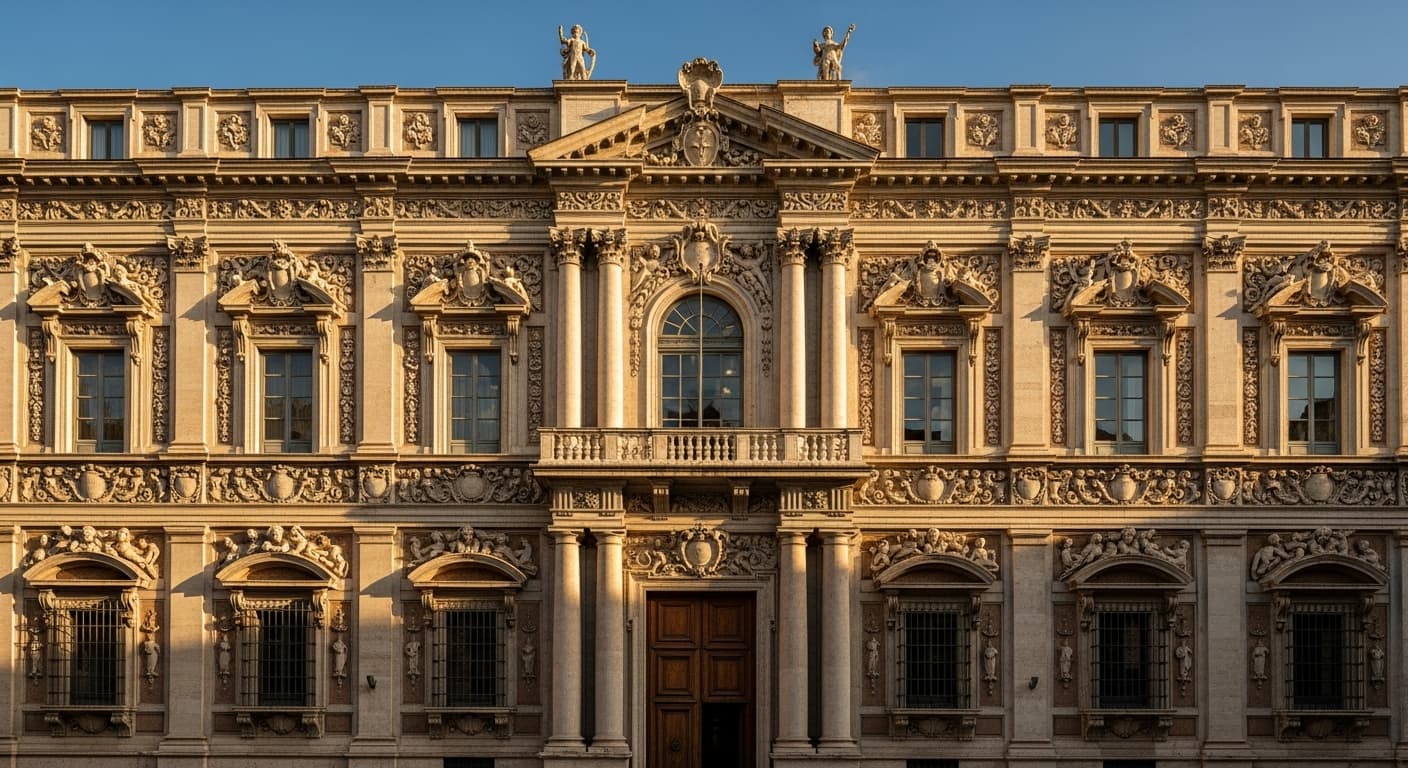
Palazzi and castles open to visit — interiors, art, and history.
Palaces in Rome reveal the city's rich layers of history, from Renaissance grandeur to Baroque artistry. These monumental residences not only served as homes for powerful families and popes but also house remarkable collections of art and frescoes that trace Rome’s cultural evolution.
Key palaces accessible to visitors include Palazzo Barberini, Castel Sant'Angelo, and the Apostolic Palace. Palazzo Barberini is home to the Galleria Nazionale, where you can admire works by Caravaggio and Raphael. Castel Sant'Angelo, originally built as a mausoleum, later became a fortress and papal residence, now a museum with panoramic views. The Apostolic Palace, located within Vatican City, contains the Vatican Museums and the Sistine Chapel, featuring Michelangelo’s frescoes. You can find detailed visitor tips for these sites on Palazzo Barberini in Rome: A Guide to the Galleria Nazionale, Castel Sant'Angelo in Rome, and Learn about The Apostolic Palace.
Each palace showcases art from distinct eras, illustrating Rome’s artistic development from the Renaissance through the Baroque period. For example, Palazzo Barberini’s galleries include masterpieces from the 17th century, highlighting the Baroque style, while the Apostolic Palace contains Renaissance frescoes by Raphael in the Raphael Rooms. Castel Sant'Angelo’s transformation from imperial tomb to papal fortress is echoed in its layered architecture and art, bridging ancient Rome and the medieval period.
A practical route links central palaces within walking distance, such as Palazzo Barberini, Castel Sant'Angelo, and Vatican City’s Apostolic Palace. Starting at Palazzo Barberini near Piazza Barberini, you can stroll through historic streets to Castel Sant'Angelo by the Tiber River, then cross the Ponte Sant'Angelo to reach the Vatican area. This route allows you to appreciate both the palaces and the surrounding neighborhoods, with options to pause at nearby piazzas and cafes. Guided tours often bundle these sites for a full-day itinerary.
Booking combined tickets or timed-entry passes can save time and money when visiting multiple palaces. For example, the Vatican Museums, including the Apostolic Palace, require advance booking to avoid long lines. Some city passes include Palazzo Barberini and Castel Sant'Angelo, allowing skip-the-line access. Checking official websites and visitor guides beforehand helps you plan your visits, especially during peak tourist seasons.
Most palaces have seasonal hours and may close one day per week, often Monday or Sunday. Palazzo Barberini and Castel Sant'Angelo typically open mid-morning and close in the early evening, while the Vatican Museums have extended hours on select days. Accessibility varies, but many sites have ramps and elevators for visitors with mobility needs. Confirming hours and accessibility options on official pages or trusted guides ensures a smooth visit.
“Walking through Rome’s palaces is like reading a living history book, where every fresco and stone tells a story of political power, artistic innovation, and religious influence.”
—Luca Ferri, Roman cultural guide
28 locations linked to this theme. Click a pin to open its page.
Castel Sant'Angelo, originally built as a mausoleum in 135 AD, stands at 68 meters tall. Visitors can visit its rich history for an entry fee of €15, making it a must-see landmark in Rome.

Palazzo Barberini in Rome features Baroque art masterpieces and is just 600m from Trevi Fountain, making it an essential stop for art and history lovers.

The Apostolic Palace, located in Vatican City, serves as the residence of the Pope. It spans over 16,000 square meters and features 1,400 rooms, including the famous Sistine Chapel.


By visiting Rome’s palaces, you will gain insight into the city’s layered history and artistic heritage, making your journey through these grand buildings both educational and memorable.
2615 null tours to book. Browse our categories below to find your perfect experience.
Loading guides...