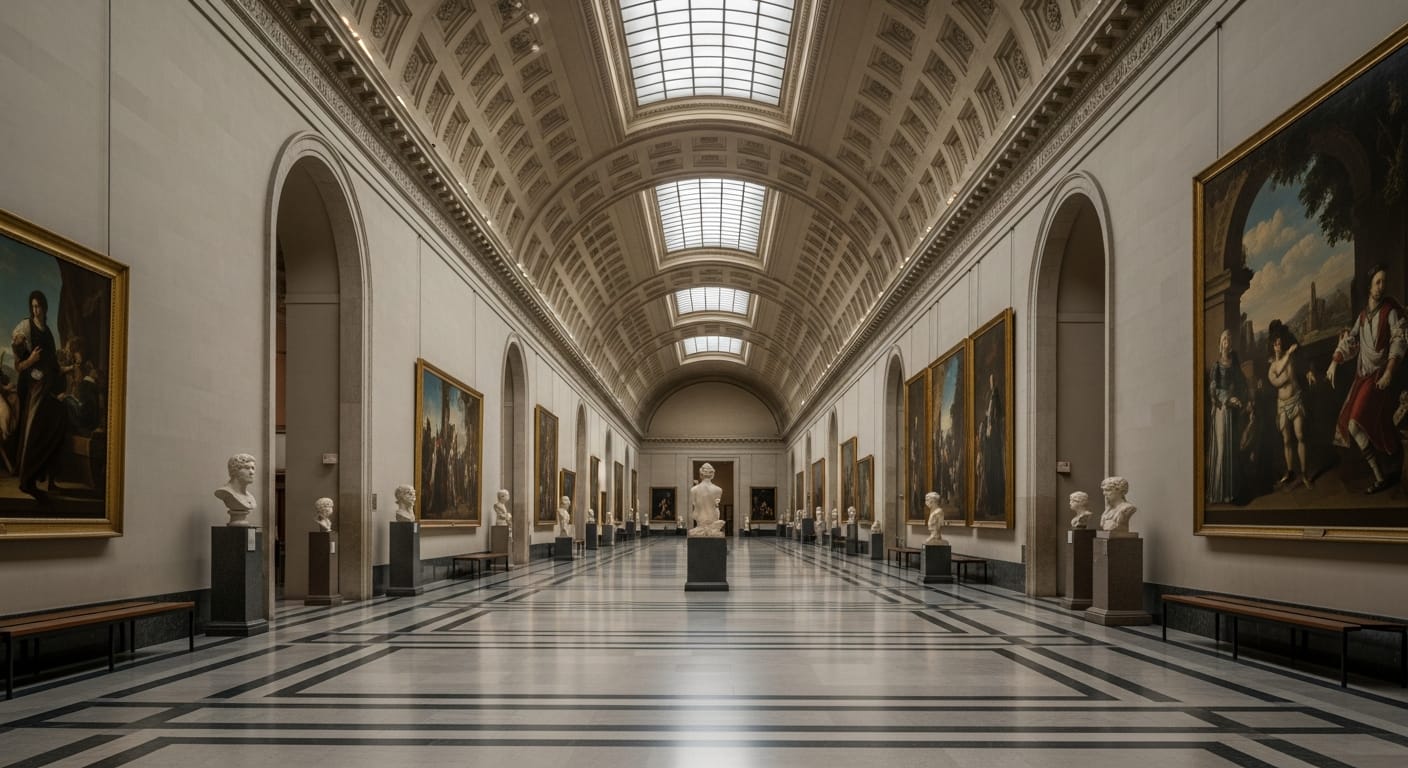
Rome's museums and galleries present a rich panorama of art and history, spanning ancient Roman relics to Renaissance masterpieces and modern collections. This city’s museum scene is defined by world-renowned institutions alongside smaller, often overlooked venues that cater to diverse interests and budgets.
What are the must-visit museums in Rome for art lovers?
The Vatican Museums and the Galleria Borghese stand out as essential visits for those passionate about art. The Vatican Museums house an unparalleled collection of classical sculptures and Renaissance art, including the Sistine Chapel ceiling. For a more intimate setting, the Galleria Borghese showcases works by Caravaggio, Bernini, and Raphael in a villa surrounded by gardens. To plan your visit efficiently, check the Complete Vatican City Guide and the Borghese Gallery Tickets 2026 for skip-the-line options and booking tips.
Are there smaller or less crowded galleries worth visiting?
Yes, places like the Doria Pamphilj Gallery and Palazzo Barberini offer exceptional art collections with fewer crowds. The Doria Pamphilj Gallery is a private palace with Baroque art and portraits, while Palazzo Barberini houses the Galleria Nazionale with works by Caravaggio and other masters. Both are located within walking distance of central Rome neighborhoods, making them convenient for a quieter afternoon of art appreciation. For details, see the Doria Pamphilj Gallery and Palazzo Barberini in Rome.
How can I save time and avoid lines at major museums?
Booking skip-the-line tickets in advance is highly recommended for popular sites like the Vatican Museums and Galleria Borghese. These museums attract large crowds, especially during peak seasons, so securing timed-entry tickets online can reduce waiting times significantly. Consult the Vatican Museums Tickets 2026 and Borghese Gallery Tickets 2026 guides for up-to-date pricing and booking advice.
Are there free or low-cost museum options in Rome?
Several municipal museums and galleries in Rome offer free or reduced admission on certain days or for specific groups. While the major museums may charge entry, places like the Capitoline Museums and some contemporary art spaces have discounted rates or free access on the first Sunday of each month. Checking the official museum websites or local tourism pages before your visit can help you plan within your budget. For an overview of art venues, see Art Museums in Rome: Must-Visit Spots for Art Lovers.
Which museums suit different art interests or time constraints?
Your choice depends on whether you prefer classical antiquities, Renaissance art, or modern collections, and how much time you have. For ancient Roman art, the Vatican Museums and Capitoline Museums are ideal. Renaissance enthusiasts should prioritize Galleria Borghese and Palazzo Barberini. If your schedule is tight, focusing on one or two major museums with timed tickets will maximize your visit. Use the linked guides to tailor your itinerary according to your preferences and available time.
"Rome’s museums are like chapters of a living history book; spending time in smaller galleries often reveals unexpected stories and artworks that large crowds might overlook."
—Giulia Santoro, Roman art curator
Helpful external resources
By using this guide, you can plan museum visits in Rome that match your interests and schedule, ensuring you see key collections while managing time and costs effectively.