
Tours and Must-See Attractions
Plan a visit to the Altare della Patria (Vittoriano) on Piazza Venezia: free monument access, €17 rooftop glass elevator, and combo tickets with the Colosseum, Pantheon and Capitoline Museums.

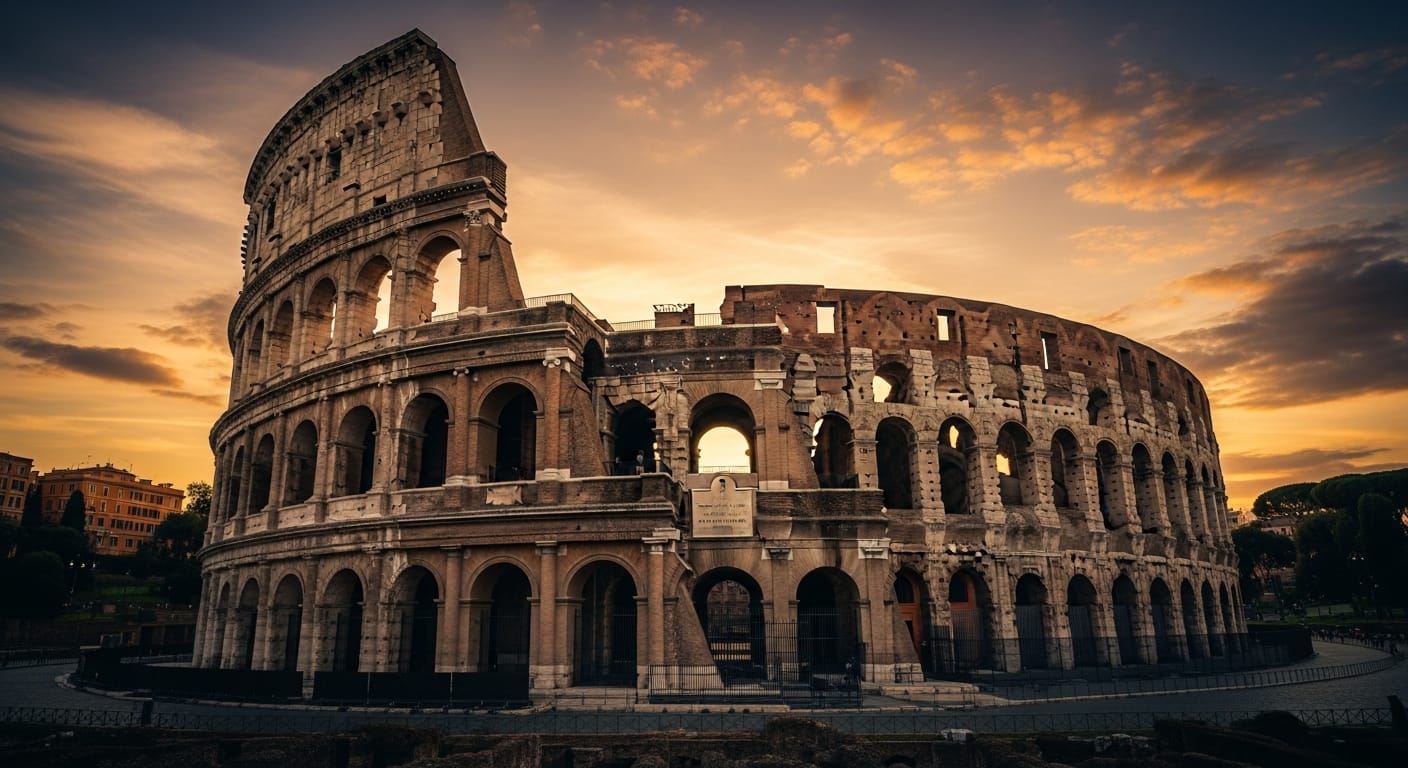
Major historical monuments, arches, and ceremonial structures.
Rome’s monuments stand as enduring symbols of its imperial past and artistic heritage, ranging from massive ancient ruins to commemorative arches and mausolea scattered throughout the city. These landmarks offer a tangible connection to Rome’s history, from the grandeur of the Roman Empire to the Renaissance and beyond, each with its own story and architectural style.
The Colosseum is the most iconic monument you cannot miss in Rome. This ancient amphitheater, located in the heart of the city, showcases Roman engineering and gladiatorial history. For an in-depth visit, check the Rome Colosseum 2026: Tickets, Tours & Complete Visitor Guide and consider booking tickets in advance via the Colosseum Tickets 2026 page to skip the lines. Nearby, the Roman Forum and Palatine Hill can be combined for a full day of ancient exploration.
Yes, monuments like the Mausoleum of Augustus and the Arch of Constantine offer rich historical insights beyond the major landmarks. The Mausoleum of Augustus, recently restored, lies near the Piazza Augusto Imperatore and provides a quieter spot to appreciate imperial Rome. The Arch of Constantine, adjacent to the Colosseum, commemorates Constantine’s victory and is an excellent example of Roman triumphal architecture. These sites can be included in a walking tour starting from the Colosseum area.
Grouping monuments by their proximity allows you to see multiple highlights in one day without rushing. For example, you can start at the Colosseum, then walk to the nearby Arch of Constantine and Roman Forum, finishing at the Altare della Patria (Vittoriano) in Piazza Venezia. This route keeps walking distances manageable and lets you enjoy each site fully. For accommodation, consider staying near the Colosseum or Pantheon to stay close to major monuments; see Where to Stay Near the Colosseum or Where to Stay Near the Pantheon.
Many major monuments require tickets, with options for skip-the-line passes and combined entries. The Colosseum, for instance, has tiered ticket prices and guided tour options detailed on the Colosseum Tickets 2026 page. The Altare della Patria is free to enter, but some exhibitions inside may charge. Planning ahead can help you avoid queues and make the most of your time.
Absolutely, the Pantheon area is rich with monuments and historic sites within easy walking distance. After visiting the Pantheon — see Visiting The Pantheon: Rome's Architectural Jewel and ticket updates on Rome Pantheon Entry Fee Changes in 2026 — you can walk to Piazza Navona, the Church of Sant’Agnese in Agone, and the nearby Palazzo Altemps. This cluster lets you savor Renaissance and Baroque monuments without long walks.
“Rome’s monuments are more than stone and marble; they are chapters of a living history you can trace by foot, each telling a story of power, faith, and artistry that shaped the city’s identity.”
—Elena Rossi, Roman cultural historian
16 locations linked to this theme. Click a pin to open its page.
Plan a visit to the Altare della Patria (Vittoriano) on Piazza Venezia: free monument access, €17 rooftop glass elevator, and combo tickets with the Colosseum, Pantheon and Capitoline Museums.

Plan your visit to the Colosseum with this complete guide covering tickets, prices, history, guided tours, opening hours, and insider tips for 2026.

Real April 2026 Airbnb data for Pantheon: €422 median/night, €349–€684 typical range, 51% Superhost rate. Plus hand-picked hotels, transit tips, and who the neighborhood suits.

The Colosseum, completed in 80 AD, is located just 1.5 kilometers from Rome's Termini Station. Hotels nearby, such as Hotel Palazzo Manfredi, start at €250 per night. The area features well-preserved ruins, with the Roman Forum just 400 meters away, making it ideal for those wanting to stay close to ancient history.

The Pantheon, completed in 126 AD under Emperor Hadrian, features a 43.3-meter-wide concrete dome—the largest unreinforced dome in the world. Entry costs €5 for adults, and it lies just 450 meters from Piazza Navona in central Rome.

After your Vatican or Colosseum tour, extend your day with nearby attractions like Castel Sant’Angelo or Monti. Walk 10-20 minutes, enjoy local dining from EUR 12, and use public transport for easy connections.


This overview will help you plan your visits to Rome’s monuments with practical tips and routes, allowing you to appreciate the city’s historical layers and iconic landmarks efficiently.
2615 null tours to book. Browse our categories below to find your perfect experience.
Loading guides...