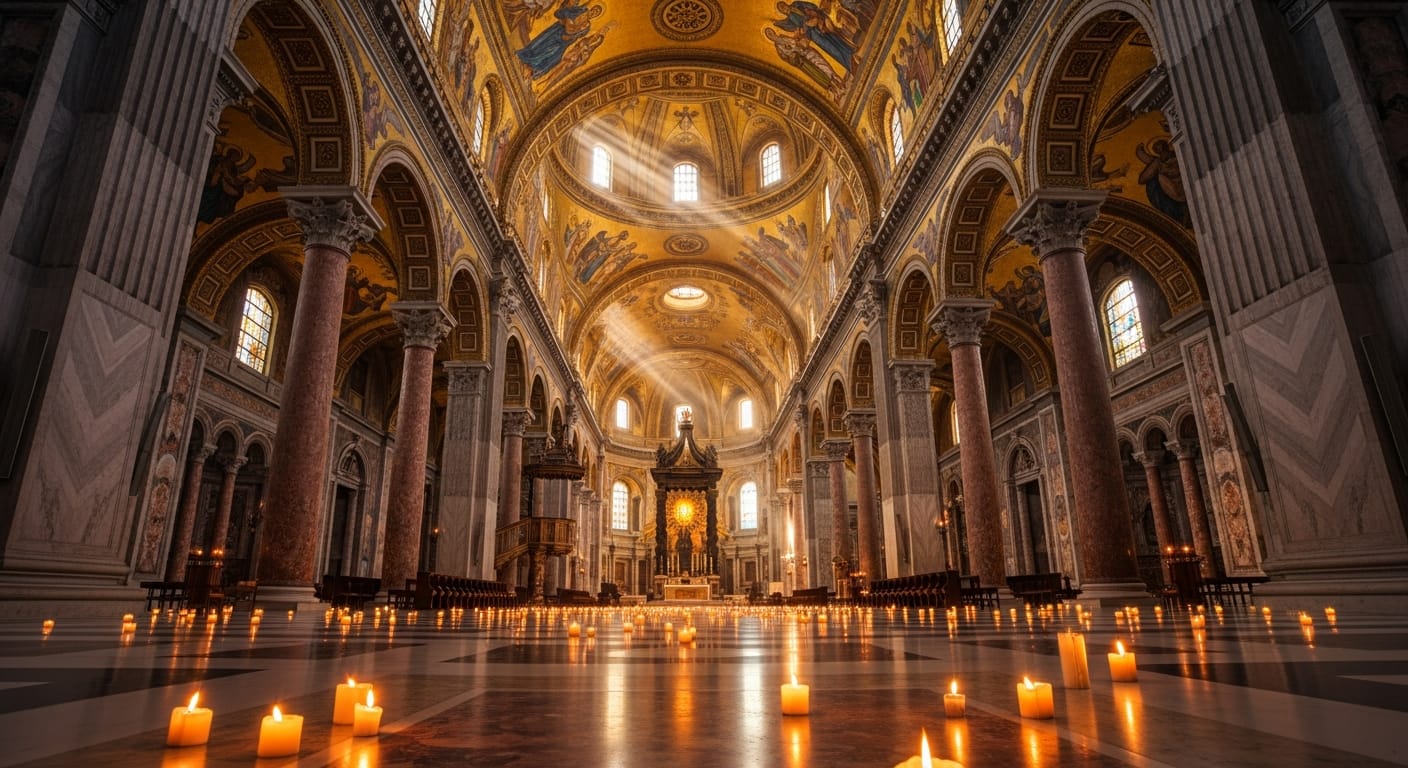
Rome’s churches and basilicas stand as monumental testaments to its religious, artistic, and architectural heritage. These sacred spaces range from grand basilicas that have shaped Christian history to smaller parish churches tucked within lively neighborhoods, each with its own story and treasures.
Which are the must-see basilicas in Rome for first-time visitors?
The four major basilicas—St. Peter's, St. John Lateran, St. Paul Outside the Walls, and Santa Maria Maggiore—are essential stops. St. Peter's Basilica in Vatican City is renowned for its Renaissance architecture and Michelangelo’s dome; the complete visitor guide to St. Peter's Basilica details entry tips and dress code. Santa Maria Maggiore, located near Termini station, features early Christian mosaics and a richly decorated interior, which you can read about in the Basilica di Santa Maria Maggiore guide. These basilicas are spread across Rome’s historic center, making them accessible by foot or public transport.
What notable artworks and relics are housed within these churches?
Rome’s churches hold masterpieces by Caravaggio, Bernini, and other Renaissance and Baroque artists, alongside sacred relics. For instance, Santa Maria del Popolo contains Caravaggio’s dramatic paintings and Bernini sculptures; detailed insights can be found in the Santa Maria del Popolo guide. St. Peter’s Basilica is home to the famous Pietà by Michelangelo and the tombs of several popes. Smaller parish churches often feature lesser-known artworks that reflect local devotion and history.
What should visitors know about dress codes and etiquette in Roman churches?
Modest attire is required in most churches, especially the major basilicas, with shoulders and knees covered. St. Peter's Basilica enforces a strict dress code, detailed in its visitor guide, and security checks are standard. Quiet reverence is expected inside, and photography may be restricted in certain chapels. Planning your visit during off-peak hours can help you enjoy a more peaceful atmosphere.
Are there quieter parish churches worth visiting away from the main tourist routes?
Yes, many parish churches in neighborhoods like Trastevere and Campo de' Fiori provide a more tranquil setting and rich local history. For example, Trinità dei Monti, located above the Spanish Steps, is lesser-known but architecturally impressive; see the Trinità dei Monti visitor guide for details. These churches often welcome visitors without the crowds found in the major basilicas.
How can visitors best plan their church visits to maximize time and enjoyment?
Organizing visits by neighborhood and checking opening hours in advance helps make the most of your time. The major basilicas are spread out, so grouping sites like Santa Maria Maggiore and nearby churches can reduce travel time. Many churches have free entry, but some special chapels or dome climbs may require tickets. Walking tours centered on religious architecture can also provide context and ease navigation.
“Walking through Rome’s churches, you sense layers of history and devotion that shaped the city’s soul. Each basilica tells a different chapter of faith and artistry, from the grandiosity of St. Peter’s to the intimate frescoes in neighborhood chapels.”
—Livia Santoro, Roman art historian
Helpful external resources
This page will help you identify key churches and basilicas in Rome, guiding you to appreciate their religious significance, artistic treasures, and practical visit tips to enrich your time in the Eternal City.